Patong Beach in Rainy Season: What Travellers Should Know
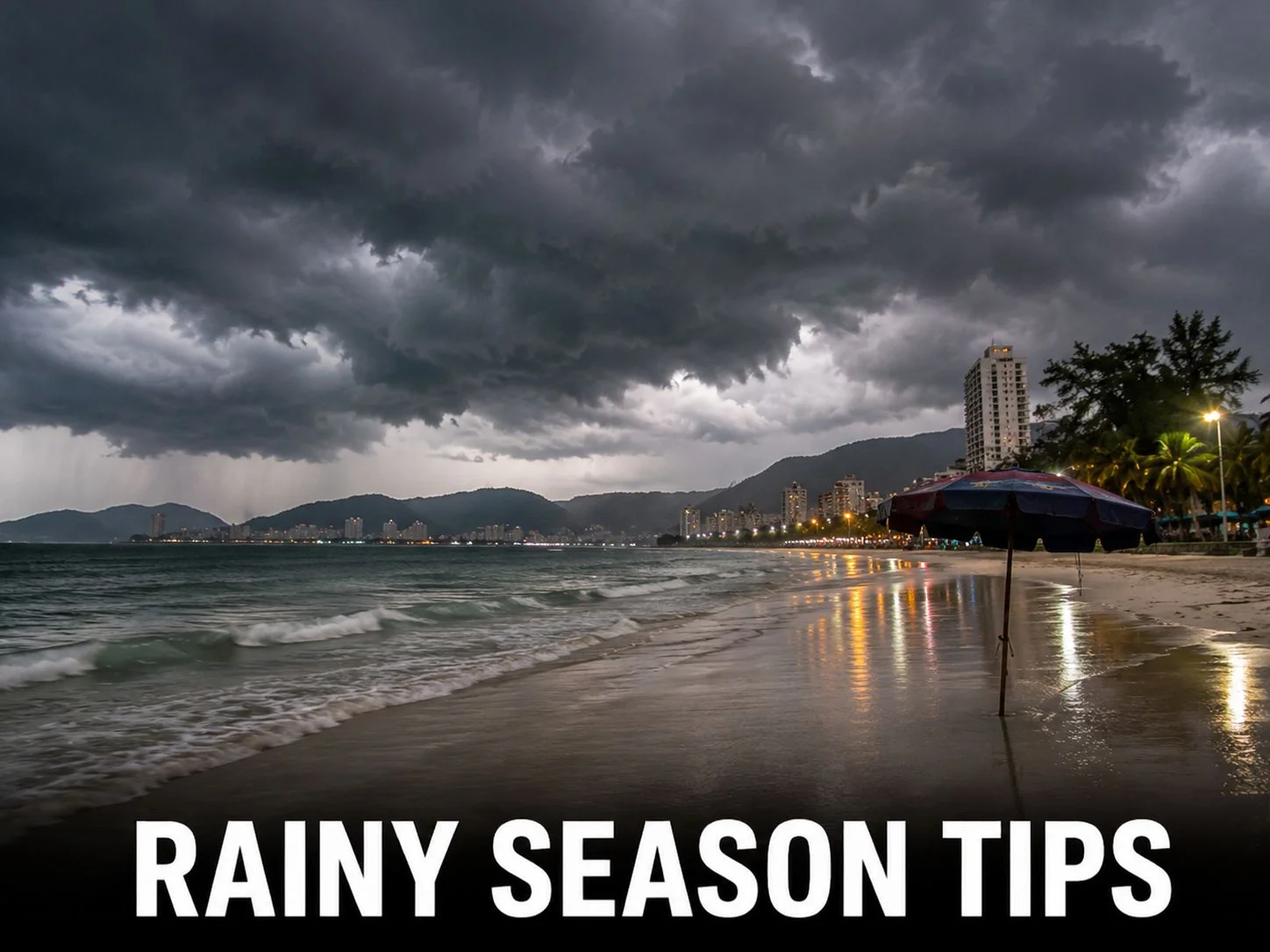
Patong Beach in rainy season is a very different — and surprisingly rewarding — experience compared to the peak winter months. From May through October, Phuket's southwest monsoon brings afternoon downpours, cooler breezes, and a dramatically quieter atmosphere to one of Thailand's most famous stretches of sand. Whether you're drawn by the lower hotel rates, the lush green hillsides, or simply the freedom to explore without the crowds, understanding what to expect from Patong beach rainy season conditions will help you make the most of every day.
📝 In This Guide
When Is Rainy Season in Patong?
Phuket's rainy season officially runs from approximately mid-May to late October, coinciding with the southwest monsoon. June, July, August, and September are generally the wettest months, though rainfall patterns can vary significantly from year to year. It's important to understand that "rainy season" does not mean non-stop rain — far from it. A typical wet-season day in Patong might deliver a few hours of brilliant sunshine in the morning, followed by a heavy tropical downpour in the afternoon that clears within an hour, leaving the air fresh and the streets glistening.
Average rainfall in Patong peaks around 250–300 mm in September, but showers tend to be intense and short rather than long and grey. Temperatures remain warm throughout, hovering between 27°C and 33°C, making it still very much a comfortable tropical destination. The "shoulder" months of May and October offer particularly good value — lower prices than high season with far fewer rainy days than the peak wet months of August and September. If you're flexible with your travel dates, these two months can be something of a sweet spot for visiting Patong.
Beach Conditions and Sea Safety
Understanding sea conditions is the most important practical consideration for any rainy-season trip to Patong. During the monsoon period, the Andaman Sea on Phuket's west coast can experience rough surf, strong undercurrents, and unpredictable waves — particularly in July, August, and September. Red and yellow warning flags are placed on Patong Beach by lifeguards, and it is absolutely essential to respect these signals. Red flags mean swimming is prohibited; yellow flags indicate caution. Tragically, drownings do occur at Phuket beaches every year, predominantly because tourists ignore flag warnings.
That said, Patong Beach itself is still beautiful to walk along even when swimming is restricted. The dramatic skies, pounding surf, and empty sands create a moody, cinematic atmosphere that's quite unlike the busy peak-season scene. Many visitors take long morning walks before the rain arrives, or simply sit at a beachfront café watching the clouds roll in off the Andaman. If you want to swim safely during rainy season, consider heading to Phuket's east coast — areas like Chalong Bay or Ao Yon Beach face the Strait of Malacca and are sheltered from the monsoon swell, remaining calm throughout the wet season.
Things to Do When It Rains in Patong
One of the most appealing aspects of staying in central Patong during the wet season is that you are never far from indoor entertainment, shopping, and dining — regardless of what the sky is doing. Jungceylon Shopping Mall, located directly opposite Andatel Grande Patong Phuket, is one of Phuket's largest malls and an ideal rainy-day refuge. It houses a cinema multiplex, a large SF Strike bowling alley, a Fitness First gym, dozens of restaurants, and supermarkets — you could easily fill a full rainy afternoon and evening without stepping outside.
Beyond Jungceylon, Patong's covered walking streets, indoor restaurants, and vibrant café scene mean that a shower rarely puts a full stop on your plans. Consider booking a Thai cooking class — many operators run indoor sessions that are perfect for wet afternoons. Muay Thai gyms throughout Patong welcome visitors for training sessions year-round. Traditional Thai massage parlours are plentiful and wonderfully affordable, offering a relaxing way to wait out a downpour. Temple visits are also rewarding in the quieter wet season — Wat Suwan Khiri Wong near Patong Hill sees far fewer tourists in low season and provides a genuinely peaceful cultural experience.
For evening entertainment, Bangla Road — just 8 minutes' walk from our hotel — is actually less frenetic in low season, which many visitors prefer. The bars still open, the neon still blazes, and the atmosphere is lively without the overwhelming crush of peak-season crowds. This is one of those "hidden advantages" of visiting Patong in the wet months that regular visitors quietly appreciate.
Practical Travel Tips for Wet Season in Patong
Accommodation rates drop significantly. Hotel prices in Patong can fall by 30–50% compared to peak season (November–April), making it an excellent time to stay somewhere central and well-located. Staying at a hotel like Andatel Grande Patong Phuket — rated 9.1/10 for location by over 2,847 Booking.com reviewers — means you can duck back quickly when a shower arrives, without wasting time on a long commute from a remote part of the island.
Book island-hopping tours carefully. Most boat tours to Phi Phi Islands, James Bond Island, and the Similan Islands are suspended or curtailed during peak wet season due to sea conditions and national park closures. The Similan Islands National Park, for instance, closes entirely from mid-May to mid-October. Always check current tour availability before booking, and use reputable operators who will reschedule rather than take you out in unsafe conditions.
Morning activities, afternoon flexibility. Most wet-season days in Patong follow a fairly predictable pattern — mornings are dry and often sunny, with the heaviest rain falling between early afternoon and early evening. Scheduling outdoor activities, beach walks, or sightseeing trips for the morning and keeping afternoons free for shopping, spa treatments, or meals works beautifully with this rhythm.
Road conditions and scooters. Wet roads make scooter riding significantly more hazardous, especially on Patong's hilly roads. If you plan to rent a scooter, exercise extreme caution on wet tarmac and avoid steep roads immediately after heavy rain. The roads around Patong Hill can become slippery very quickly. Many travellers simply use metered taxis or grab-style app services during wetter periods, which are plentiful and affordable around Jungceylon and the hotel area.
Why Rainy Season Has Hidden Advantages
Experienced South-East Asia travellers often swear by low season as their preferred time to visit Patong — and for good reason. The beaches are quieter, the restaurants are less rushed, and the whole town feels more authentic and laid-back. The lush green hillsides surrounding Patong, visible from our rooftop pool at Andatel Grande Patong Phuket, are at their most dramatic and vivid during the wet season — a world away from the dusty, sun-bleached landscape of late dry season in April.
Waterfalls throughout Phuket are at peak flow during the wet months, making trips to spots like Bang Pae Waterfall and Ton Sai Waterfall genuinely spectacular. Elephant sanctuaries, cooking schools, and cultural attractions all operate year-round and are far more personal experiences with smaller group sizes. The famous local food scene around Patong also benefits from the lower tourist density — restaurants that are impossible to get a table at in December become relaxed, welcoming places in July.
For families with school-age children whose holiday dates are fixed around term times, the good news is that the UK, Australian, and European summer holidays fall squarely within Patong's rainy season — meaning families can still enjoy Phuket at dramatically reduced prices without sacrificing the overall experience. The rain rarely lasts long enough to ruin a day, and children often love splashing through warm tropical downpours in a way that would be miserable in colder climates.
Ultimately, Patong beach rainy season travel is about embracing a different pace. It rewards flexibility, spontaneity, and the willingness to step inside for a coffee and a meal when the clouds gather — which, in a town as full of great food and entertainment as Patong, is hardly a hardship at all.
🎉 Stay Smart This Rainy Season at Andatel Grande Patong
Andatel Grande Patong Phuket puts you at the heart of it all — opposite Jungceylon Mall, 5 minutes from the beach, and 8 minutes from Bangla Road. With our newly renovated Oceanic Tranquility rooms, rooftop pool, Red Chilli Restaurant, and free WiFi throughout, you'll have the perfect base whatever the weather. Rated 8.1/10 on Booking.com with over 2,847 reviews and a 9.1/10 for location.
📞 +66 76 290 480 | ✉️ info@andatelhotel.com
Check Availability & Book Direct